Bingli shows how smart medical questions lead to more productive healthcare
An interview with Tom Van De Putte
Good medical decisions require high-quality data. Our mission is to take over repetitive tasks, so healthcare professionals can focus on what truly matters: meaningful human interaction.”
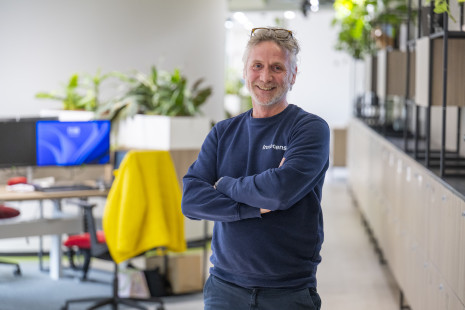
© Piet Van de Steen en Tom Van De Putte
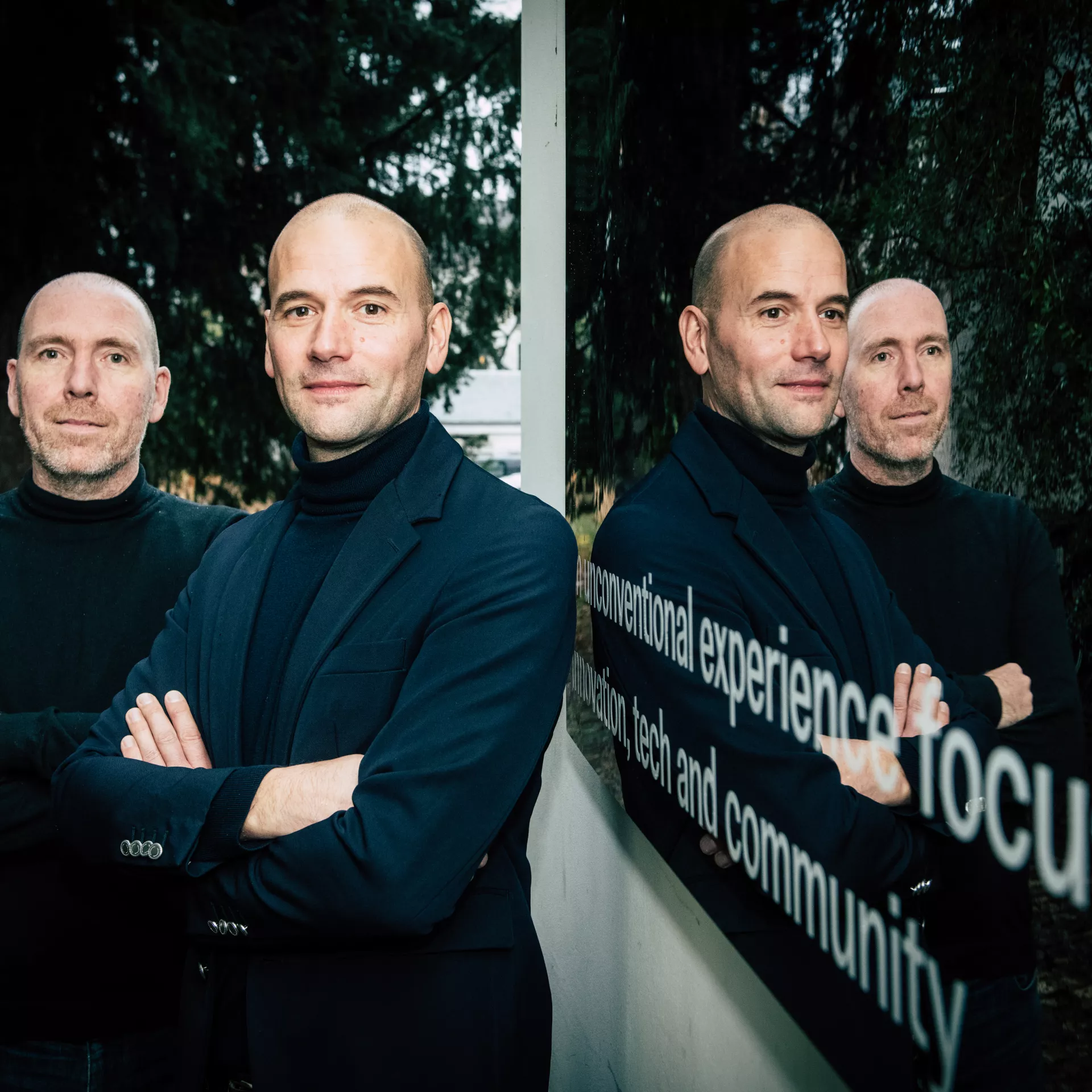
Gathering patient information in hospitals can be slow and inefficient, posing a huge challenge amid an ageing population and a decline in healthcare staff. Antwerp-based Bingli uses AI-driven, dynamic assessments to streamline this process for the benefit of both doctors and patients. We spoke with founder and CEO Tom Van De Putte about how Bingli is shaping the future of healthcare.
Could you explain what Bingli does?
“We’re an AI company specialising in healthcare. We’ve built a data-powered engine that helps doctors and patients make informed decisions. Using this data, we provide decision support, ensuring that patients receive the right care at the right time and are referred to the right healthcare professional. Good decision-making requires high-quality data. Currently, data is often fragmented, so our platform centralises it.”
How did Bingli get started
“After studying law and completing an MBA, I worked in marketing and advertising within the pharmaceutical sector. Piet Van de Steen, an MD, and I then started this company together. We realised that we wanted to offer more value to doctors, nurses and patients. We asked ourselves, 'How can we improve communication between patients and healthcare professionals?' AI enabled us to structure that communication efficiently, and we continued to build on it. Our purpose, then and now, is to take over repetitive tasks so that medical staff can focus on the meaningful and magical interactions that occur when people talk and listen to each other honestly.”
The use of AI in healthcare is booming. How does Bingli stand out?
“We've been working on this since 2017, so we have a head start. We understand clinical workflows and have developed a portfolio of regulated, certified solutions. These solutions complement each other and can be connected, ensuring the right tool is always available. Unlike many software companies, we don't offer a one-size-fits-all solution — that simply doesn't work in this field.”
Where is Bingli today?
“Hospitals use our solutions for preparing for surgery, screening, taking consultations and preparing for emergency care. We work with 10–15 hospitals in Belgium, and we’re also active in the Netherlands, the UK and Germany. General practitioners use our tools, too. Patients answer questions in advance, enabling GPs to decide whether to refer someone to a specialist, psychologist, or nurse. This significantly improves efficiency.”
Are you also active in the United States?
“Healthcare in the US is organised and financed differently. We specialise in urgent care medicine rather than emergency care. We support video consultations and nurse advice lines. With our AI solution to guide them, nurses can ask structured questions and direct patients to the care they need. Thanks to our solution, the average call time drops from 12 minutes to just 3–4 minutes by ensuring the right questions are asked.”
You’re based in Dunden, a health hub in Antwerp. Why there?
“Antwerp made sense because my co-founder already had an office there. When we started hiring, we moved to Dunden because it’s an attractive environment that helps us recruit talent. It’s also a great place to welcome clients and investors. The cliché is true, too: conversations with other health entrepreneurs at the coffee machine happen very organically and are very inspiring.”
What has been the best feedback you have received so far?
“Patient surveys show that people in emergency care feel comfortable answering questions at their own pace and in their own language. This is crucial in multicultural cities like Antwerp and Brussels. Our solution automatically translates the answers for the medical staff. Patients feel attended to while they are providing information. Doctors appreciate the time savings, averaging 30% or more. Anything that saves time while remaining empathetic is a win.”
What are your goals for the next five years?
“International growth is key. The US market is important because it offers huge volume and the potential to improve healthcare efficiency. However, we won't be moving into other sectors. Healthcare is our core business and always will be. In Belgium and Europe, our goal is to become the leading provider of efficient, compassionate healthcare.”
Name: Tom Van De Putte
Role: Founder & CEO
Education: Law, MBA
What do you do to clear your head: playing the guitar
Recommended podcast: HealthNerd by Tom Braekeleirs