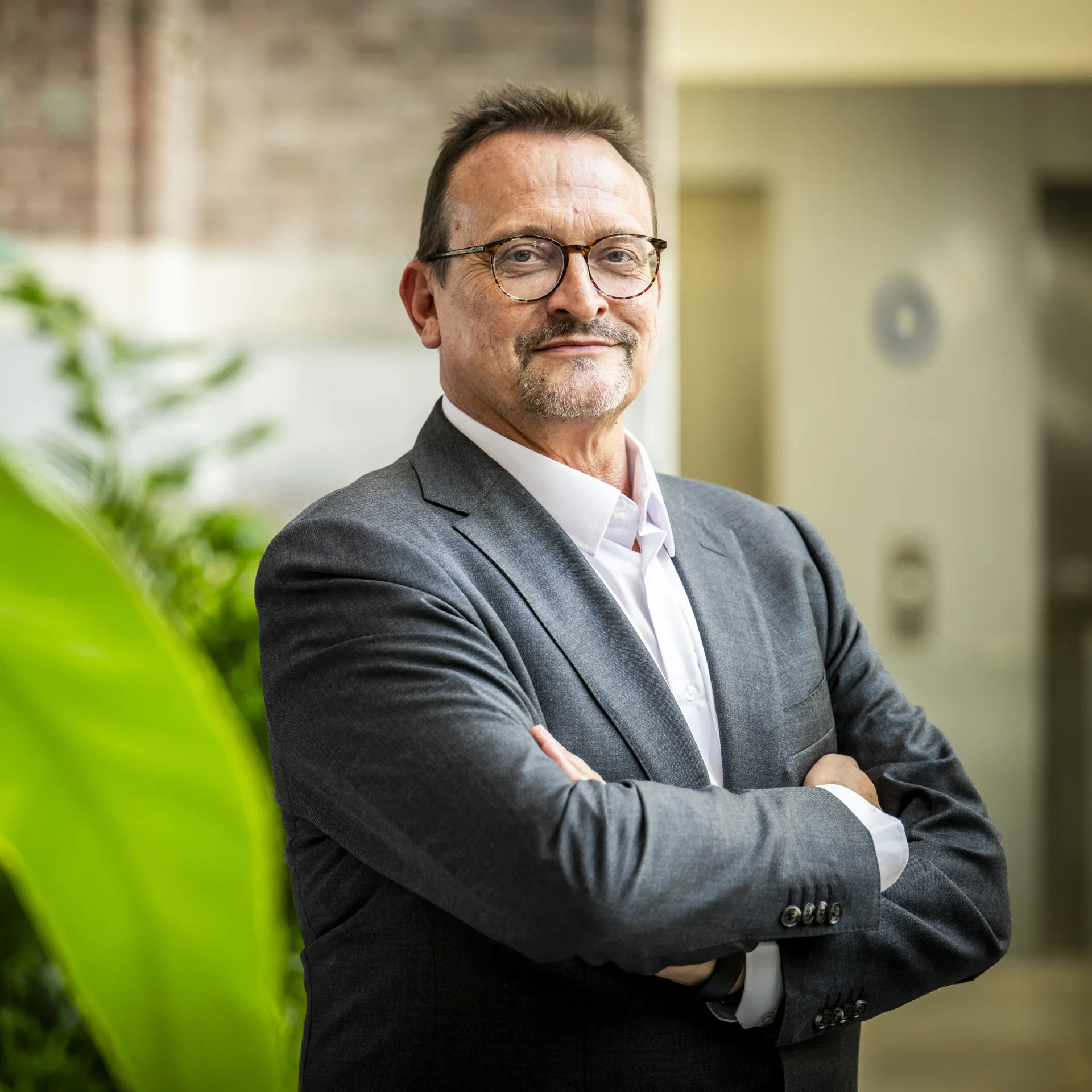
Antwerp has the ecosystem to make circular chemistry happen on a large scale.
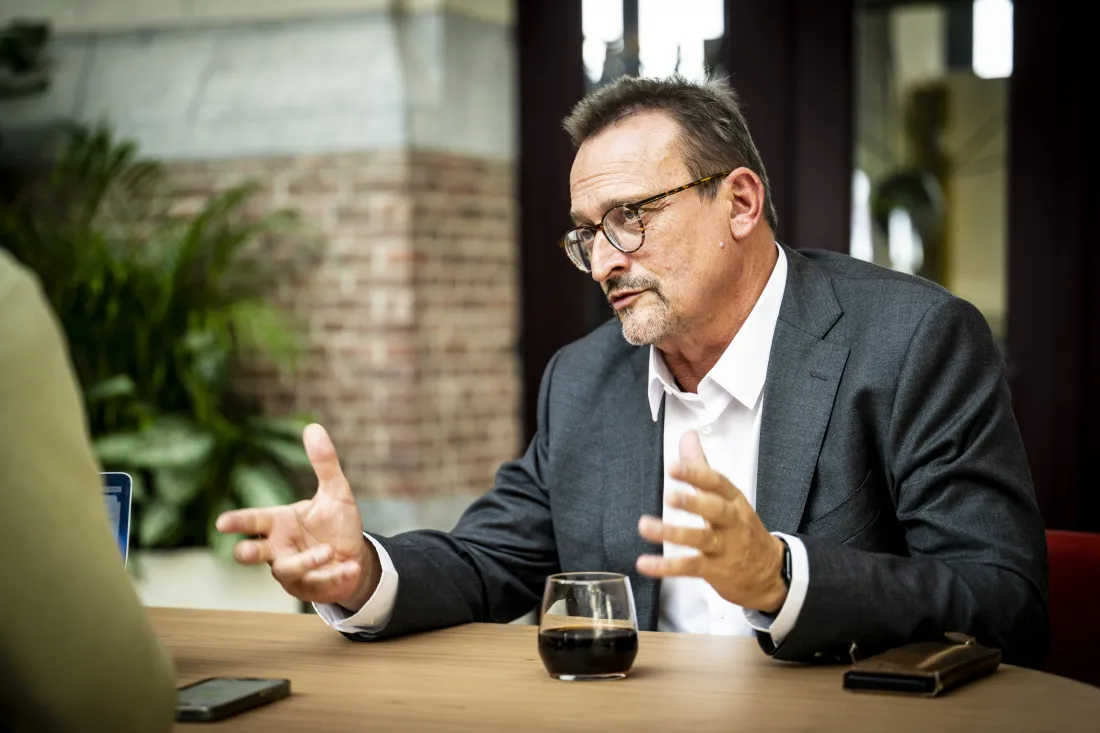
Wim Van den Broeck, Director of Project Development at Bolder Industries
What I find particularly compelling about Antwerp is that we are not building this plant in isolation. We are becoming part of an industrial ecosystem with the ambition to make circular chemistry possible at scale.
Why did Bolder Industries choose Antwerp?
“When we started looking at different locations across Europe for our first large-scale plant, we were looking for much more than just a suitable site. We needed access to the right logistics, industrial infrastructure, and technical expertise — ideally all within one ecosystem. Antwerp stood out because few locations in Europe can offer that combination on this scale. It has one of Europe’s largest ports, a strong chemical cluster, excellent transport links, and a high concentration of companies that could become potential customers, suppliers, or partners.”
What role did NextGen District play in that decision?
“NextGen District adds another important dimension. It is specifically designed to support circular industrial activity. For us, this means developing our business within an environment where start-ups, scale-ups, and established companies collaborate with universities and the port to work towards a more circular industry. We therefore see Antwerp not just as the location of our first European plant, but as a potential base for further expanding our European operations.”
Was there a specific moment when Antwerp became the preferred location?
“When my American colleagues at Bolder visited Antwerp, they realised how close it is to Brussels. This is a significant advantage, given that many of our clients’ headquarters are located there. Of course, there are other ports in Western Europe, but it was the combination of all these factors that convinced us to choose Antwerp.”
How important is it to collaborate with customers and other partners when building a circular value chain?
“Our customers are an essential part of the process. It's not enough to produce recycled materials; we also need to understand how they perform in our customers’ products and ensure that they meet the required standards of quality and consistency. Governments and research institutions also play an important role. Scaling up circular chemistry requires investment, infrastructure, a clear regulatory framework, and continuous technological development. Ultimately, companies need to collaborate rather than attempting to drive their own transition in isolation.”
What insights does your project offer into the future of the European chemical industry?
“For me, the key message is that circularity can be achieved on an industrial scale. Many people still assume that achieving sustainability automatically involves compromising on cost or performance. Our experience suggests otherwise. If you develop the technology properly and build the right value chain around it, waste can become a valuable source of industrial raw materials.” End-of-life tyres are a good example. They are complex materials, but they contain significant amounts of carbon, oil and steel. Our technology enables us to recover these materials and reuse them. This is particularly relevant for Europe. It's not just about waste management or reducing CO₂ emissions, but also about reducing our dependence on imported virgin raw materials. That is why I see circular chemistry as being about more than just sustainability. It is also a story about industrial resilience and access to strategic raw materials.”
What makes your technology different?
“Our technology has been tested in a laboratory, but it is more than that. Bolder has demonstrated its commercial viability in the United States and has operational experience with the process. However, the challenge is not just breaking down a tyre. The real challenge lies in producing recovered materials consistently to the quality standards and specifications required by industrial customers. In recent years, we have focused on process control, product quality, and how our materials are applied in customers’ products. Our collaboration with Pirelli is a good example of this. Together, we were the first to establish a closed-loop recycling initiative of this kind. This is what makes our technology particularly relevant to the circular economy. We are not just processing waste; we are producing materials that can be reintegrated into existing industrial value chains.”
What impact will the Antwerp plant have once it is fully operational?
“The first phase will have the capacity to process around 43,000 tonnes of end-of-life tyres per year, and there is potential to double this capacity at the Antwerp site. We are establishing a new European source of secondary raw materials. The recovered carbon black can be reused in rubber and plastic products; the recovered oil can be used as an industrial feedstock; and the steel can be recycled. This is about more than just recycling tyres. It's about transforming material flows and converting waste into valuable resources for industry. What I find particularly compelling about Antwerp is that we are not building this plant in isolation. We are becoming part of an industrial ecosystem with the ambition of making circular chemistry possible on a large scale.”