From knowledge to innovation: rethinking blood sampling
An interview with Irith De Baetselier (ITG) & Tom Dewaele (Voxdale)
Antwerp has this health and innovation ecosystem where specialised knowledge is concentrated. If you can translate that knowledge into products, you can build businesses around them.” Tom Dewaele
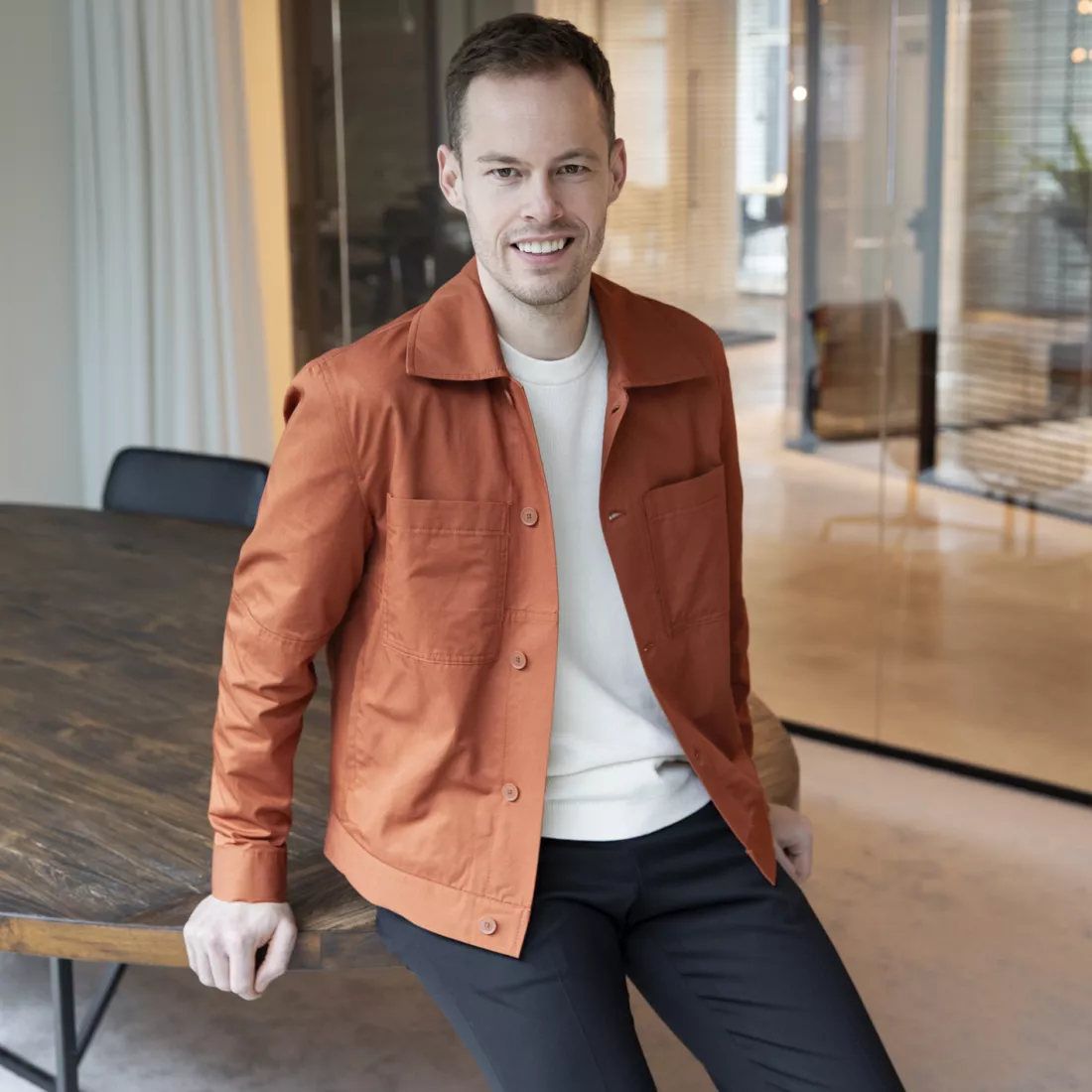
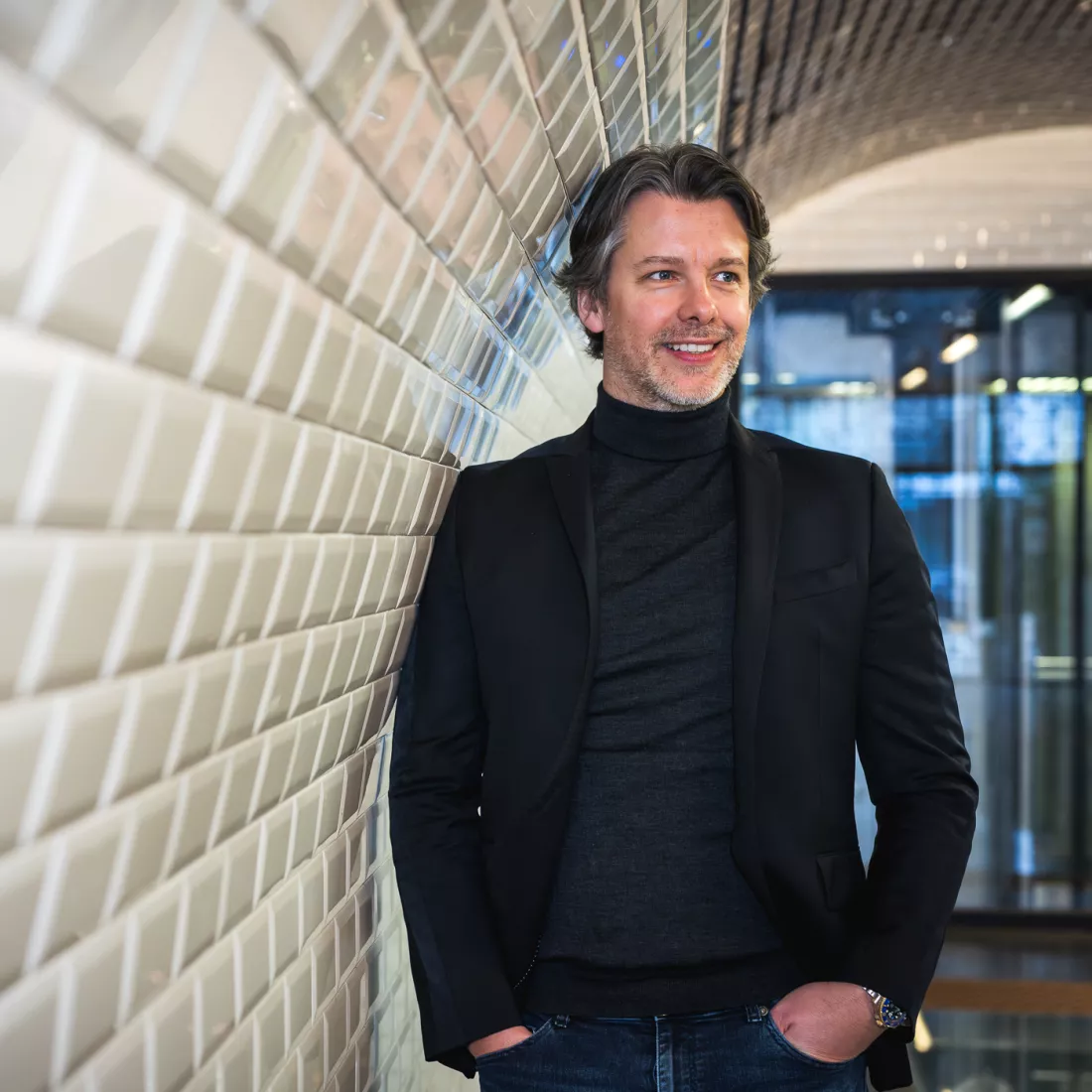
© Irith De Baetselier & Tom Dewaele
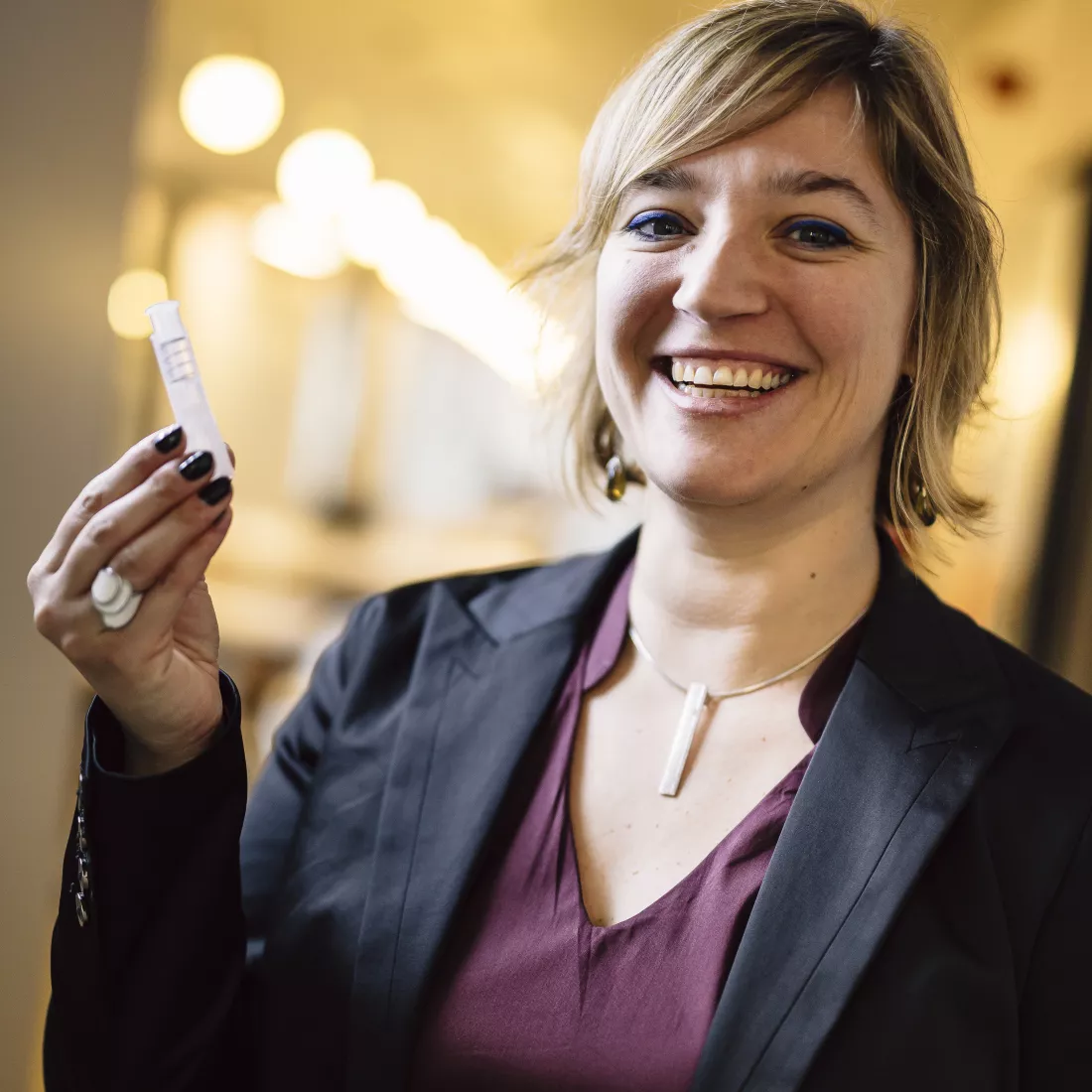
Obtaining a blood sample is not always easy or comfortable. For people who want to test for sexually transmitted infections, for example, it can be a significant obstacle. The Institute of Tropical Medicine in Antwerp and the product design company Voxdale set out to change that. Together, they developed a simple, low-cost blood sampler that recently won a Red Dot Design Award. We spoke to Irith De Baetselier, researcher at ITG and Tom Dewaele, Voxdale’s Head of Design, about the collaboration.
How did the blood sampler come about?
Irith: 'I’ve been working at the Institute of Tropical Medicine (ITM) for 16 years. My area of expertise is HIV and sexually transmitted infections, and I also coordinate the National Reference Centre for STIs. We’re constantly looking for innovations that make testing easier. For some people, going to the doctor is a major obstacle. With GPs already under pressure, getting an appointment isn’t always easy either.”
‘We started looking at online self-sampling in 2018. In the UK, it was already quite advanced. However, blood collection remained a major hurdle. Existing systems often required four or five finger pricks to collect enough blood, which, as you can imagine, was often difficult and unhygienic. We contacted the University of Antwerp and developed a first device concept with a product development student. We then acquired the intellectual property rights and started looking for a design partner.”
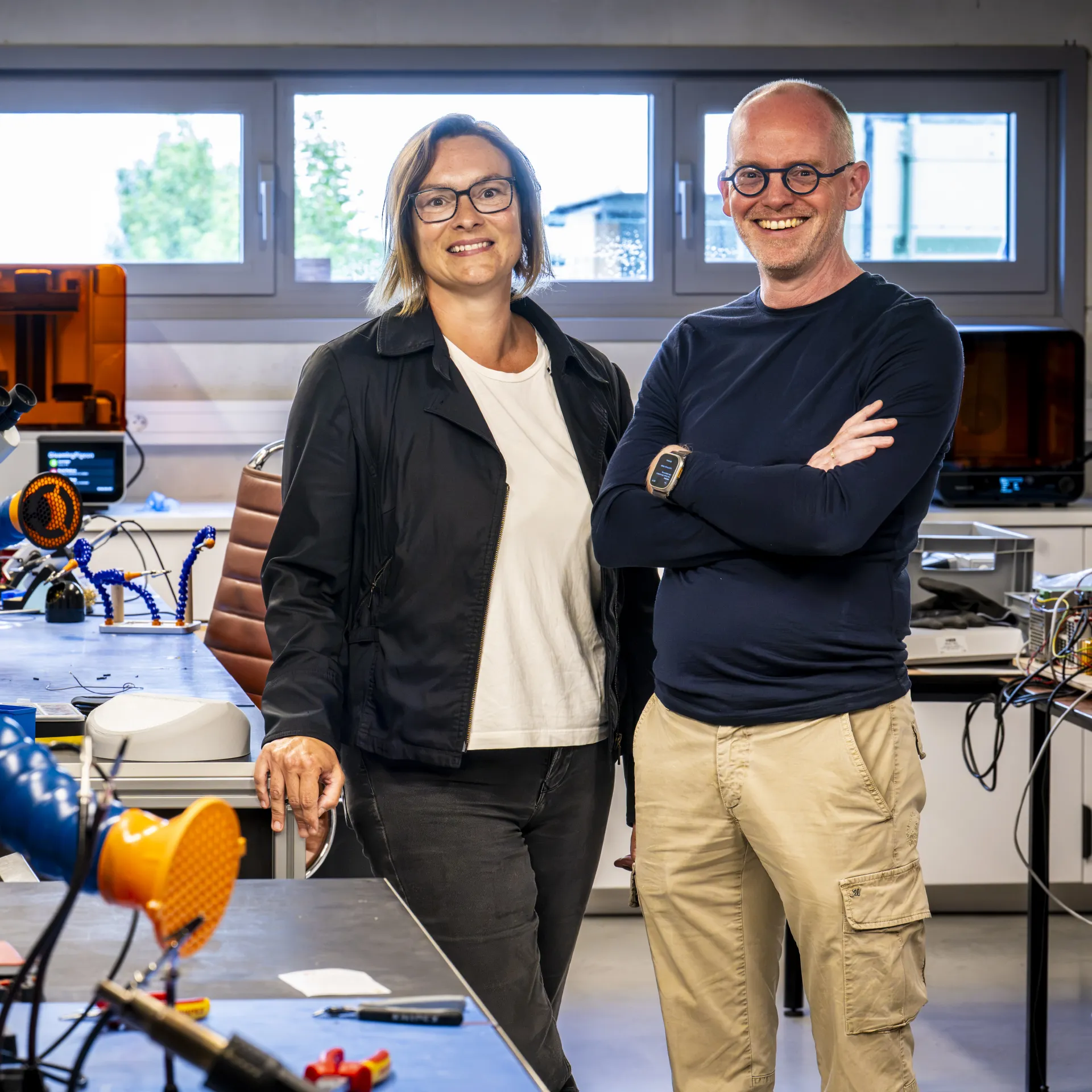
Tom: 'That's when Irith came to Voxdale. Since then, we’ve gone through six prototypes. ITM carried out the validation and user studies, and we translated the findings into new iterations. It’s been an intensive process of constant iteration. The first prototype was much more complex. Our understanding has evolved considerably along the way: you have to let go of certain ideas and assumptions. But this process has brought us closer to the essence of the product.
What makes the device different?
Irith: 'Collect2Know is a patented device designed to make capillary blood sampling more consistent, safe, and accessible in decentralised and home settings.'
Tom: 'We’ve reduced the number of components from seven or eight to just two. It looks simple, but it wasn't simple to achieve. Hardware development is inherently complex. You’re dealing with materials, manufacturing, physical constraints, and a whole ecosystem of partners. Although 3D printing has made prototyping much faster, a medical product still has to be made from real materials and go through validation and regulatory processes.”
Irith: 'We wanted the device to be low-cost from the start. ITM has strong links with low-income countries, and we want the device to be usable there too. While other innovative blood-collection technologies exist, many are currently too expensive to implement in low-income countries. Affordability and accessibility were essential requirements for us.'
What impact could it have?
Irith: 'Our immediate focus is on STI and HIV testing, but the potential is much broader. For example, you could imagine people with chronic diseases taking a blood sample at home every month to monitor their cardiovascular health. This fits into a wider shift in healthcare. We need to find alternative ways to test and monitor people, and ensure that face-to-face consultations are reserved for those who really need them. If people can safely collect a sample at home and send it to a certified laboratory, that could help to reduce the pressure on healthcare systems.”
Why is Antwerp a good place to develop this kind of innovation?
Irith: 'Having a design partner in Antwerp made collaboration very straightforward. We became one team. I regularly visited the Voxdale office, particularly during the prototype phases.”
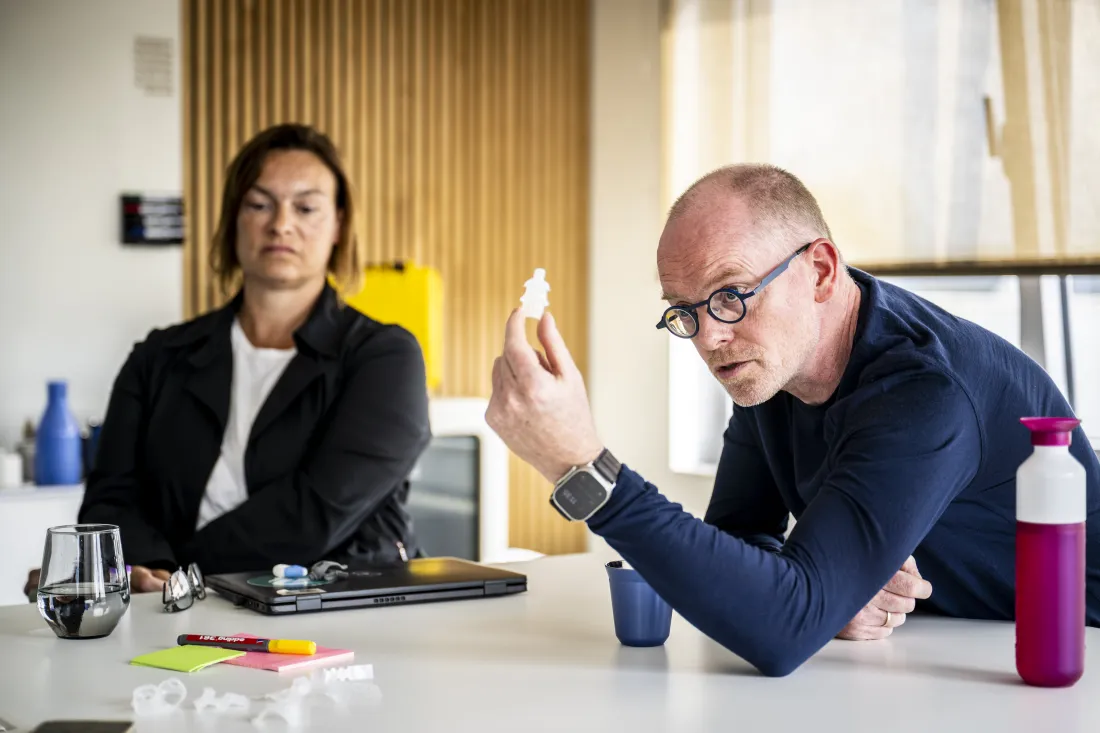
Tom: 'Physical proximity definitely helped. We could communicate quickly, exchange prototypes and solve issues with minimal overhead. That’s important if you want to work quickly. But proximity is only part of the story. The real value lies in the combination of knowledge. ITM has in-depth knowledge of patients, the healthcare market, and the problems that need to be solved. We can translate that knowledge into products.
Many of our projects involve knowledge institutions in and around Antwerp, including the University of Antwerp and ITM. Antwerp has this health and innovation ecosystem where specialised knowledge is concentrated. If you can translate that knowledge into products, you can build businesses around them.”
You have received financial support from the City of Antwerp. What has that enabled you to do?
Tom: ‘The support helped us to take a closer look at the US market. We analysed which companies are already operating there, who our first potential customers could be, and what the regulatory framework looks like. The US is a particularly interesting market for us because home-based blood sampling is already more established there. We’re also preparing a validation study with users in the US. You can’t simply assume that a product which works with European users will work exactly the same way elsewhere.”
“If people can safely collect a sample at home and send it to a certified laboratory, that can help reduce pressure on healthcare systems.”
How can you speed up the development and market entry of your products?
Tom: 'Today, there’s a clear need to bring products to market much faster. This requires a more pragmatic approach. For us, accelerated productisation means combining the right knowledge, technology and resources, and iterating quickly. A partnership like ours with ITM makes that possible, as we can work together very closely.'
What does Antwerp need to remain competitive?
Irith: 'It's simple: more funding.'
Tom: 'Funding is certainly important, but education is just as crucial. Product development is a very relevant field of study in Antwerp because it combines design, engineering, and economics. It’s a holistic approach. Another major issue is regulation. In Europe, it can take a long time to bring innovative products to market. If we can speed up and streamline that process, we’ll see much more innovation.”
Irith: ‘Antwerp has the knowledge, the research institutions, and the companies that know how to turn ideas into products. The opportunity lies in connecting those strengths even more effectively.'
Name: Irith De Baetselier
Role: Researcher at the Institute of Tropical Medicine in Antwerp.
Passion: HIV and sexually transmitted infections.
What do you do to clear your head: Gardening and being outdoors.
Recommended podcast: Transmission by the Institute of Tropical Medicine.
Name: Tom Dewaele
Role: Head of Design & Productisation at Voxdale
Passion: Developing simple, impactful & innovative products
What do you do to clear your head: Finding inspiration in visual arts and nature.
Recommended book: Design-driven Innovation by Roberto Verganti.
More stories
Also interesting

The story of Moonbird’s innovative breathing device that’s gradually conquering the market
Bingli shows how smart medical questions lead to more productive healthcare
Specifix: “We’re living the Belgian dream: everything necessary for success is readily available here”
From Antwerp to the world: the Loop Earplugs success story
The future of healthcare: how Nobi lamps are changing lives